

accounting services in Kenya

How Much Do Accounting Services Cost in Kenya?

An average of 65% of small and medium-sized businesses in Kenya struggle with understanding the true cost of professional financial management, often leading to under-budgeting or overpaying for services. As businesses grow, accounting becomes more complex, making it essential to evaluate pricing structures and value offered by professionals. This is why understanding accounting services cost in Kenya is a key step for any business aiming to maintain financial stability and compliance. Clear knowledge of pricing helps business owners make informed decisions without compromising on quality or accuracy.

outsourced accounting services in Kenya

Why Understanding Accounting Services Cost in Kenya Is Important for Businesses

Understanding the pricing of accounting services is not just about managing expenses—it directly influences how businesses plan, operate, and grow financially. Many SMEs either underestimate or overestimate these costs, which leads to poor budgeting and inefficient financial decisions. Having clarity on accounting services cost in Kenya helps businesses make informed, strategic, and cost-effective choices:

1. Helps Businesses Plan Accurate Budgets

When businesses clearly understand accounting costs, they can include them in their financial plans without disruption. This ensures accounting is treated as a structured operational expense rather than an unexpected cost. Proper budgeting improves cash flow stability. It also supports better financial discipline.

2. Supports Better Financial Decision-Making

Knowing the cost of accounting services allows business owners to compare options effectively. This helps them choose services based on value, not just price. Better comparisons lead to more strategic financial decisions. It improves overall business efficiency.

3. Prevents Unexpected Financial Strain

Unclear pricing can lead to surprise costs that disrupt business operations. These unexpected expenses can affect cash flow and planning. Understanding costs in advance helps businesses prepare adequately. This ensures smoother financial management.

4. Ensures Value for Money in Services

When businesses understand pricing structures, they can assess whether they are receiving quality services for what they pay. This prevents overpaying for basic services or underpaying for poor-quality work. It ensures balanced financial investment. This improves long-term satisfaction.

5. Helps SMEs Choose the Right Service Package

Different businesses require different levels of accounting support. Understanding costs helps SMEs select packages that match their needs and budget. This avoids unnecessary expenses or missing essential services. It supports efficient financial management.

6. Improves Cost Control and Financial Efficiency

Awareness of accounting costs helps businesses monitor and control overall expenses more effectively. This reduces financial waste and improves profitability. It also encourages smarter resource allocation. Better control leads to stronger financial performance.

7. Encourages Long-Term Financial Planning

When businesses understand recurring accounting costs, they can plan for long-term financial commitments. This helps in forecasting and sustainability planning. It reduces uncertainty in financial management. It supports stable business growth.

8. Enhances Transparency in Service Agreements

Clear understanding of costs improves communication between businesses and accounting service providers. This ensures there are no hidden charges or misunderstandings. It builds trust and accountability. Transparent pricing leads to better working relationships.

10 Factors That Influence Accounting Services Cost in Kenya

The cost of professional accounting services varies from one business to another depending on several operational and financial factors. Understanding these elements helps SMEs and growing businesses plan better and choose services that match their needs and budget. The accounting services cost in Kenya is therefore not fixed but shaped by the following key factors:
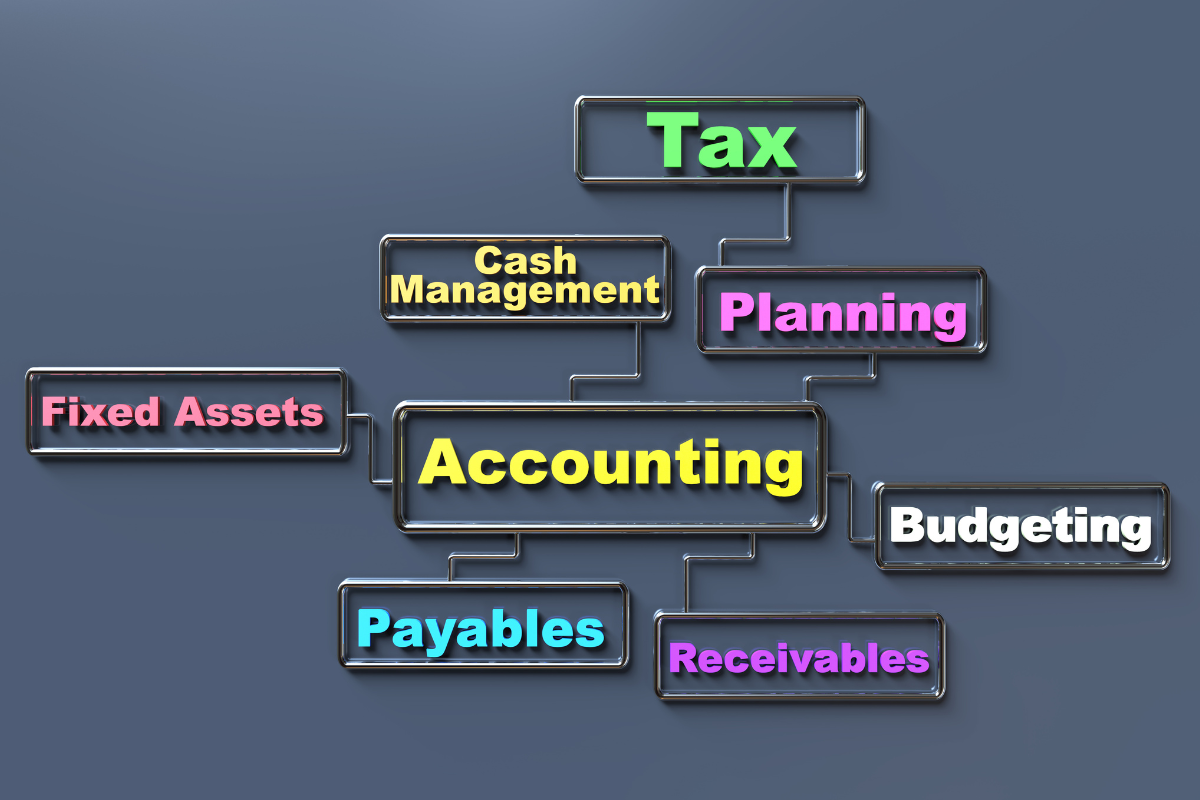
accounting mistakes in Kenya

1. Size and Type of Business

Larger businesses with higher transaction volumes typically require more detailed accounting support. Small businesses, on the other hand, may need only basic bookkeeping and reporting services. The nature of the business also affects complexity and pricing. More complex structures often attract higher costs.

2. Scope of Accounting Services Required

The wider the range of services needed, the higher the overall cost. Basic bookkeeping costs less compared to full-service accounting that includes tax, payroll, and advisory support. Businesses that require comprehensive financial management will pay more. Service scope directly impacts pricing structure.

3. Complexity of Financial Transactions

Businesses with simple transactions have lower accounting needs compared to those with multiple revenue streams or branches. Complex financial activities require more time, expertise, and analysis. This increases the cost of services. Complexity plays a major role in pricing.

4. Frequency of Reporting and Support

Businesses that require monthly, weekly, or real-time reporting will incur higher costs than those with quarterly reporting needs. Frequent reporting demands more consistent attention and resources. This increases service intensity. The level of engagement affects pricing.

5. Level of Expertise or Firm Reputation

Highly experienced accountants or reputable firms often charge more for their services. Their expertise ensures higher accuracy, compliance, and strategic value. Businesses pay for both knowledge and reliability. Reputation often reflects service quality.

6. Technology and Accounting Tools Used

Firms that use advanced accounting software and automation tools may charge higher fees. These tools improve accuracy, speed, and reporting efficiency. However, they also increase operational value. Technology influences overall pricing.

7. Industry-Specific Requirements

Certain industries such as construction, manufacturing, or healthcare have specialized accounting needs. These require tailored financial reporting and compliance processes. This increases complexity and cost. Industry requirements directly affect pricing.

8. Level of Customization Needed

Customized accounting solutions designed for specific business needs often cost more than standard packages. Tailored services require additional planning and expertise. This ensures better alignment with business goals. Customization increases service value and cost.

9. Compliance and Regulatory Requirements

Businesses with strict regulatory obligations require more detailed accounting and reporting. This includes tax compliance, audits, and statutory filings. Higher compliance needs increase workload. This impacts overall service pricing.

10. Duration and Contract Terms

Long-term contracts may offer discounted rates compared to short-term or one-off services. However, extended service agreements still depend on scope and complexity. The duration of engagement influences pricing structure. Contract terms play a role in overall cost planning.
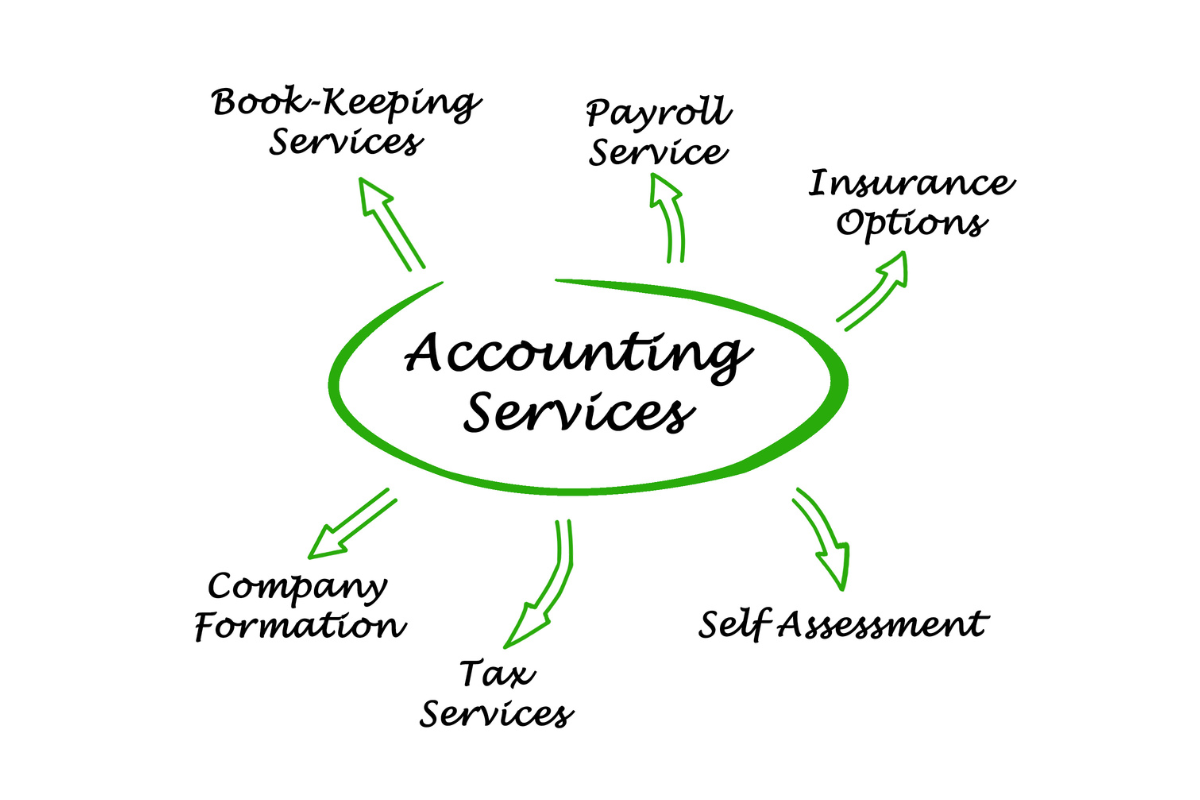
Typical Accounting Services Cost in Kenya for SMEs and Businesses

Accounting costs in Kenya vary widely depending on the size of the business, the complexity of transactions, and the level of service required. SMEs often choose between basic bookkeeping, monthly accounting packages, or full outsourced solutions based on their needs and budget. Understanding the accounting services cost in Kenya helps businesses plan effectively and choose the right level of financial support:

outsourced accounting services in Kenya

1. Basic Bookkeeping Services Cost Range

Basic bookkeeping services typically cover recording daily transactions, organizing receipts, and maintaining simple financial records. For SMEs, this is usually the most affordable option, with costs varying based on transaction volume. Businesses with fewer transactions pay less, while those with higher activity pay more. This option suits startups and very small businesses.

2. Monthly Accounting and Reporting Packages

Monthly accounting packages include bookkeeping plus financial reporting such as profit and loss statements and balance sheets. These packages provide more structured financial oversight compared to basic services. Pricing depends on business size and reporting frequency. This option is ideal for growing SMEs that need regular financial insights.

3. Tax Compliance and Filing Costs

Tax-related services include VAT returns, PAYE processing, and annual tax filings. Costs vary depending on the complexity of the business and number of filings required. Businesses with more employees or transactions typically pay higher fees. This service ensures compliance with Kenyan tax regulations.

4. Payroll Management Service Costs

Payroll services involve salary processing, statutory deductions, and compliance with regulations like NSSF and NHIF. The cost is often based on the number of employees. Larger teams attract higher fees due to increased processing requirements. This service ensures accurate and timely employee payments.

5. Full Outsourced Accounting Service Costs

Full outsourced accounting covers complete financial management, including bookkeeping, reporting, tax, payroll, and advisory services. This is a comprehensive solution for SMEs and growing businesses. Costs vary depending on business size, complexity, and service scope. It offers the highest level of financial support and control.

6. Startup Accounting Service Packages

Startups often require simplified accounting solutions that include basic bookkeeping and compliance support. These packages are usually lower in cost to accommodate limited budgets. As the business grows, services can be upgraded. This makes it a flexible option for early-stage businesses.

7. Industry-Specific Accounting Costs

Businesses in industries like construction, manufacturing, or retail may incur higher accounting costs due to complex reporting needs. These industries often require specialized financial tracking. The level of detail required influences pricing. Industry type plays a major role in cost variation.

8. One-Time Financial Services Costs

Some businesses only require one-time services such as audit preparation or financial clean-up. These services are priced based on the scope and urgency of work. They are not recurring but can be more intensive. This option suits businesses needing short-term support.

9. Advisory and Consulting Fees

Financial advisory services help businesses with budgeting, forecasting, and strategic planning. These services are usually charged separately from standard accounting packages. Costs depend on expertise and consultation frequency. They add strategic value to financial management.

10. Customized Accounting Packages

Many firms offer tailored accounting solutions based on specific business needs. Pricing depends on service combinations and workload requirements. This flexibility allows businesses to pay only for what they need. Customized packages ensure better alignment with business goals.

What You Get When You Pay for Accounting Services in Kenya

When businesses invest in professional accounting services, they are not just paying for number crunching—they are gaining structured financial management, compliance support, and strategic insight. The accounting services cost in Kenya reflects the value of accuracy, efficiency, and expert guidance that businesses receive. Here is what you typically get when you pay for these services:

Hire an Accountant

1. Financial Record Keeping and Management

Professional accounting services ensure that all financial transactions are accurately recorded and properly organized. This includes tracking income, expenses, invoices, and receipts in a structured system. Clean records make it easier to understand business performance. It also improves transparency and financial control.

2. Tax Preparation and Compliance Support

Accounting services include preparing and filing tax returns in line with Kenyan regulations. This ensures your business meets all statutory obligations on time. It reduces the risk of penalties, audits, and compliance issues. Proper tax handling also helps optimize tax efficiency.

3. Financial Reporting and Analysis

You receive clear financial reports such as profit and loss statements, balance sheets, and cash flow reports. These reports are analyzed to help you understand business performance. This enables better decision-making and planning. It also highlights areas for improvement and growth.

4. Payroll and Statutory Management

Accounting services often include payroll processing and management of statutory deductions like PAYE, NHIF, and NSSF. This ensures employees are paid accurately and on time. It also guarantees compliance with employment laws. Proper payroll management reduces administrative stress.

5. Advisory and Business Support Services

Beyond basic accounting, many providers offer financial advice to support business growth. This includes budgeting, forecasting, and strategic planning. These insights help improve profitability and efficiency. It turns accounting into a tool for business development.

6. Cash Flow Management

Accounting services help monitor and manage cash inflows and outflows effectively. This ensures the business maintains healthy liquidity. It also helps prevent financial shortages. Better cash flow management supports stability.

7. Budgeting and Financial Planning

Professionals assist in creating realistic budgets aligned with business goals. This helps control spending and allocate resources efficiently. It also supports long-term financial planning. Strong budgeting improves financial discipline.

8. Compliance and Regulatory Support

Accounting services ensure your business complies with all financial and tax regulations. This includes timely filings and accurate reporting. It reduces the risk of fines and legal issues. Compliance builds trust and credibility.

9. Financial Risk Management

Accountants help identify potential financial risks early. This includes issues like overspending, cash flow gaps, or tax errors. Early detection helps prevent serious financial problems. It strengthens overall business stability.

10. Business Performance Insights

You gain insights into profitability, cost structures, and financial trends. These insights help you make informed strategic decisions. This improves efficiency and growth planning. It turns financial data into actionable business intelligence.

How to Choose Affordable Accounting Services in Kenya Without Compromising Quality

Choosing the right accounting partner requires more than just comparing prices—it involves understanding value, expertise, and long-term financial impact. Many businesses searching for accounting services cost in Kenya often focus only on affordability, but this can lead to poor service quality and financial risks. A balanced approach ensures you get both cost efficiency and reliable financial management for your business:

1. Compare Service Packages and Pricing Models

Different providers structure their pricing differently, including monthly retainers, per-service billing, or customized packages. Comparing these options helps you understand what is included in each package. This also helps you identify hidden costs or unnecessary charges. A clear comparison ensures better value for money.

2. Assess Experience and Industry Expertise

Experienced accountants provide more accurate reporting and stronger financial insights. Industry-specific knowledge is especially important for handling unique business needs. Skilled professionals reduce errors and improve compliance. Expertise ensures you get quality service for what you pay.

3. Evaluate Service Scope vs Cost

Before deciding, check exactly what services are included in the price. Some packages may cover only basic bookkeeping, while others include tax, payroll, and advisory services. Understanding the scope helps you avoid underpaying or overpaying. This ensures alignment between cost and value.

4. Look for Scalability and Flexibility

Your accounting needs will grow as your business expands. Choosing a flexible provider ensures services can adjust to your changing requirements. This prevents frequent switching of service providers. Scalability supports long-term business growth.

5. Prioritize Value Over the Lowest Price

The cheapest option is not always the best choice for your business. Low-cost services may lack accuracy, reliability, or compliance support. Focusing on value ensures better financial outcomes. This helps you avoid costly mistakes in the long run.

6. Check Client Reviews and Reputation

Customer feedback provides insight into service quality and consistency. Positive reviews indicate trustworthiness and professionalism. This helps you avoid unreliable providers. Reputation is a strong indicator of service reliability.

7. Evaluate Communication and Responsiveness

Effective accounting services require clear and timely communication. Quick responses help resolve financial issues faster. Poor communication can lead to delays and errors. Responsiveness improves overall service efficiency.

8. Consider Technology and Tools Used

Modern accounting tools improve accuracy, reporting speed, and data security. Providers using updated systems often deliver better results. Technology also enhances transparency and accessibility. This increases overall service quality.

9. Understand Contract Terms Clearly

Always review pricing terms, service scope, and contract duration before committing. Clear agreements prevent misunderstandings later. This ensures both parties are aligned on expectations. It also protects your business from hidden costs.

10. Start With a Trial or Small Engagement

Testing services on a small scale helps you evaluate performance before long-term commitment. This reduces risk and improves decision-making confidence. It allows you to assess reliability and quality. This ensures you choose the right provider for your business.

10 Benefits of Paying for Professional Accounting Services in Kenya

Investing in professional financial support is not just an expense—it is a strategic decision that improves efficiency, compliance, and long-term business performance. While many business owners focus on the accounting services cost in Kenya, the real value lies in the benefits gained from expert financial management. Here are the key advantages businesses experience when they choose professional accounting services:

1. Improved Financial Accuracy and Control

Professional accountants ensure that all financial records are accurate, updated, and well-organized. This reduces errors that often occur with manual tracking or unstructured systems. Accurate data gives business owners better control over their finances. It also improves transparency in financial reporting.

accounting services in Kenya

2. Better Compliance and Reduced Penalties

Accounting professionals help businesses comply with tax laws and regulatory requirements. They ensure timely filing and accurate reporting of all statutory obligations. This reduces the risk of fines and legal issues. Proper compliance also strengthens business credibility.

3. Time Savings for Business Owners

Outsourcing accounting tasks frees up valuable time for business owners. Instead of focusing on financial administration, they can concentrate on growth and operations. This improves productivity and efficiency. It also reduces operational stress.

4. Enhanced Business Decision-Making

Professional accounting services provide clear financial reports and insights. These reports help business owners make informed decisions based on real data. Better insights lead to smarter financial strategies. This improves overall business performance.

5. Long-Term Cost Efficiency

Although accounting services come at a cost, they help prevent expensive financial mistakes. Proper financial management reduces losses, penalties, and inefficiencies. Over time, this leads to significant savings. It makes professional accounting a cost-effective investment.

6. Improved Cash Flow Management

Accountants monitor income and expenses to ensure healthy cash flow. This helps prevent shortages and financial disruptions. Better cash flow management supports daily operations. It also improves financial stability.

7. Stronger Financial Planning and Budgeting

Professional accountants help businesses create realistic budgets and financial plans. This ensures resources are allocated efficiently. It also supports long-term financial goals. Strong planning improves business discipline.

8. Reduced Risk of Financial Errors

Expert oversight minimizes mistakes in bookkeeping, reporting, and tax filing. This reduces financial risks and penalties. It also ensures more reliable financial data. Accuracy strengthens overall business confidence.

9. Access to Financial Expertise and Insights

Businesses benefit from professional knowledge and industry experience. Accountants provide insights that improve profitability and efficiency. This expertise is often unavailable internally. It adds strategic value to business decisions.

10. Better Business Growth Opportunities

With strong financial systems in place, businesses can focus on expansion and investment. Accounting professionals help identify growth opportunities through financial analysis. This supports scalable and sustainable growth. It strengthens long-term success.

How Accounting Agency Offers Affordable Accounting Services in Kenya

At Accounting Agency, we understand that every business has unique financial needs and budget considerations. That is why we have structured our services to remain cost-effective while still delivering high-quality financial management and compliance support. When evaluating accounting services cost in Kenya, our goal is to ensure SMEs and growing businesses receive maximum value without unnecessary expenses:

outsourced accounting services in Kenya

1. Transparent and Flexible Pricing Models

We provide clear and straightforward pricing with no hidden charges or unexpected costs. Our flexible models allow businesses to choose between monthly, quarterly, or customized billing structures. This helps you plan your finances with confidence. It also ensures you only pay for what you need.

2. Customized Packages for SMEs

We design accounting packages specifically for small and medium-sized businesses. These packages are tailored based on business size, industry, and financial complexity. This ensures affordability without compromising quality. It also allows businesses to scale services as they grow.

3. Full Financial Management Support

We offer complete accounting solutions, including bookkeeping, tax compliance, payroll, and reporting. This eliminates the need to hire multiple service providers. It simplifies financial management for business owners. It also improves efficiency and coordination.

4. Reliable Reporting and Compliance Services

We ensure your financial records are accurate, up to date, and compliant with Kenyan regulations. Our team prepares timely reports to help you track performance and make informed decisions. This reduces the risk of penalties and errors. It also strengthens financial transparency.

5. Scalable Solutions for Growing Businesses

As your business expands, our services grow with you. We adjust our support to match increasing financial complexity and transaction volumes. This ensures continuity and stability. It also supports long-term business development.

6. Cost-Efficient Resource Allocation

We help businesses optimize their financial resources by eliminating unnecessary accounting costs. Our systems are designed to improve efficiency and reduce waste. This ensures better value for every shilling spent. It also enhances profitability.

7. Expert Financial Guidance Included

Our packages include access to professional financial advice and insights. This helps businesses make smarter decisions regarding budgeting, investments, and growth. Expert guidance adds significant value beyond basic accounting. It strengthens overall financial strategy.

8. Technology-Driven Accounting Solutions

We use modern accounting tools and systems to improve accuracy and efficiency. This reduces manual errors and speeds up reporting processes. Technology also enhances data security and accessibility. It ensures smoother financial operations.

9. Dedicated Support for SMEs

We prioritize small and growing businesses by offering personalized support and quick response times. Our team understands the challenges SMEs face in managing finances. This ensures practical and relevant solutions. It also builds strong long-term partnerships.

10. Value-Driven Service Delivery

We focus on delivering maximum value rather than just low-cost services. Every package is designed to improve financial control, compliance, and growth potential. This ensures businesses get real returns on their investment. It makes our services both affordable and impactful.

Frequently Asked Questions About Accounting Services Cost in Kenya

Many business owners want clear guidance on how accounting fees are structured, what influences pricing, and whether these services are worth the investment. These questions are especially common among SMEs trying to balance cost control with professional financial management. Understanding accounting services cost in Kenya helps you make informed decisions that support both affordability and quality. Below are the most frequently asked questions and clear answers:

1. How much does accounting services cost in Kenya?

The cost of accounting services in Kenya varies depending on the size of the business, the complexity of transactions, and the type of services required. Small businesses may pay for basic bookkeeping, while larger businesses require more comprehensive packages. Prices also differ based on reporting frequency and expertise level. It is best to request a customized quote based on your needs.

2. What factors affect accounting services cost in Kenya?

Several factors influence pricing, including business size, transaction volume, service scope, and industry requirements. More complex businesses typically incur higher costs due to increased workload. The level of expertise and reporting frequency also plays a role. These factors combined determine the final pricing.

3. Are accounting services expensive for small businesses in Kenya?

Not necessarily. Many providers offer affordable packages specifically designed for SMEs. These packages focus on essential services like bookkeeping, tax filing, and reporting. This makes professional accounting accessible even for small budgets.

4. Do outsourced accounting services cost less in Kenya?

Yes, outsourced accounting is generally more cost-effective than hiring full-time staff. Businesses save on salaries, benefits, and overhead costs. You only pay for the services you need. This makes outsourcing a flexible and affordable option.

5. What is included in accounting services cost in Kenya?

Most accounting packages include bookkeeping, financial reporting, tax compliance, and payroll services. Some also include advisory and budgeting support. The exact inclusions depend on the provider and package selected. Always confirm what is covered before signing an agreement.

6. Can I get affordable accounting services in Kenya for SMEs?

Yes, many firms offer tailored packages specifically for SMEs. These packages are designed to meet essential financial needs at a lower cost. They can also scale as your business grows. This ensures affordability and flexibility.

7. How are accounting services charged in Kenya—monthly or per task?

Accounting services can be charged either on a monthly retainer or per task basis. Monthly packages are common for ongoing financial management. Per-task billing is used for one-time services like audits or tax filing. The structure depends on your business needs.

8. Is it worth paying for professional accounting services in Kenya?

Yes, professional accounting services help improve accuracy, compliance, and financial decision-making. They also reduce the risk of costly mistakes and penalties. Over time, they save money and improve efficiency. This makes them a valuable investment for businesses.

9. Can accounting services help reduce business costs?

Yes, accountants help identify unnecessary expenses and improve financial efficiency. They also assist in budgeting and cost control strategies. This leads to better resource management. It ultimately improves profitability.

10. Do accounting service providers offer customized pricing?

Yes, most providers offer customized pricing based on business size and needs. This ensures you only pay for relevant services. Custom packages are especially useful for SMEs. They provide flexibility and better value.

11. How often should I pay for accounting services?

Most businesses pay monthly, but some prefer quarterly or annual arrangements. The frequency depends on service agreements and business needs. Monthly payments are the most common for ongoing support. This ensures consistent financial management.

12. Can I switch accounting service providers if needed?

Yes, businesses can switch providers if their needs change or if they are not satisfied with service quality. It is important to review contract terms before switching. A smooth transition ensures no disruption in financial records. This gives businesses flexibility and control.

Accounting Mistakes in Kenya

Get Affordable Accounting Services in Kenya from Accounting Agency Today

Take control of your business finances with professional support that is accurate, reliable, and tailored to your needs. At Accounting Agency, we provide affordable and flexible solutions designed to match different business sizes and industries without compromising quality. Whether you need bookkeeping, tax compliance, payroll, or full financial management, we are ready to support your growth. Get in touch with Accounting Agency today and secure trusted accounting services that help your business stay compliant and financially strong.


Similar Posts