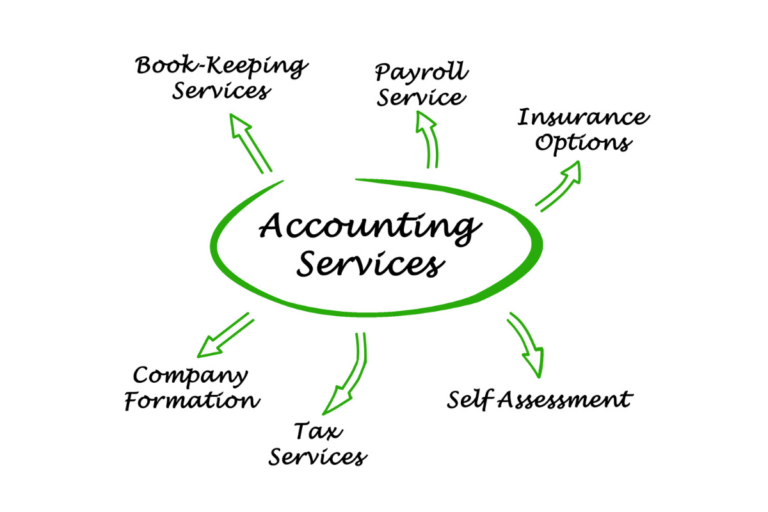

What Are Payroll Management Services?
Payroll is one of the most critical functions in any business. Yet, it is also one of the most complex and compliance-sensitive processes. Errors in payroll can lead to financial penalties, employee dissatisfaction, and regulatory issues.
This is where Payroll Management Services come in. These services ensure that employee salaries, statutory deductions, and compliance obligations are handled accurately, consistently, and in line with legal requirements.
In this guide, we break down what Payroll Management Services are, how they work, and why they are essential for businesses of all sizes.
What Are Payroll Management Services?
Payroll Management Services refer to the professional handling of employee compensation processes, including salary calculations, statutory deductions, payslip generation, and compliance reporting.
These services are typically provided by accounting firms or outsourced payroll specialists to ensure accuracy, compliance, and efficiency.
Core Objective of Payroll Management Services
The primary goal is to:
- Ensure employees are paid accurately and on time
- Maintain full compliance with tax and labor laws
- Reduce administrative burden on businesses
- Improve financial reporting accuracy
Key Components of Payroll Management Services
1. Employee Salary Processing
This involves calculating employee wages based on:
- Basic salary
- Overtime payments
- Bonuses and allowances
- Deductions
2. Statutory Deductions Compliance
Businesses must comply with government requirements such as:
- PAYE (Pay As You Earn)
- NSSF contributions
- SHIF deductions
- Other applicable statutory obligations
Failure to comply may result in penalties and audits.
3. Payslip Generation
Employees receive structured payslips showing:
- Gross salary
- Deductions
- Net pay
- Employer contributions
This ensures transparency and trust within the organization.
4. Payroll Reporting
Payroll reports help businesses track:
- Monthly salary expenses
- Tax obligations
- Employee cost structures
- Financial planning data
5. Payroll Record Management
Proper payroll systems ensure:
- Secure storage of employee data
- Easy retrieval during audits
- Compliance documentation availability
How Payroll Management Services Work
Step 1: Employee Data Collection
Basic employee details are collected, including contracts, salaries, and tax information.
Step 2: Salary Calculation
All earnings and deductions are computed accurately using payroll systems.
Step 3: Compliance Processing
Statutory deductions are calculated and prepared for submission to authorities.
Step 4: Salary Disbursement
Employees receive payments through bank transfers or approved payment systems.
Step 5: Reporting & Documentation
Monthly payroll reports and records are generated for business use and compliance.
Benefits of Payroll Management Services
1. Improved Accuracy
Reduces human errors in salary calculations and deductions.
2. Full Compliance Assurance
Ensures adherence to tax laws and statutory requirements.
3. Time Efficiency
Eliminates manual payroll processing, saving valuable business time.
4. Employee Satisfaction
Timely and accurate payments improve trust and retention.
5. Better Financial Control
Provides clear payroll data for budgeting and forecasting.
Who Needs Payroll Management Services?
Payroll Management Services are essential for:
- SMEs and startups
- Large enterprises
- NGOs and institutions
- Construction companies
- Retail and service businesses
- Remote or growing teams
Any business with employees requires structured payroll systems.
Common Payroll Challenges Businesses Face
- Late salary payments
- Incorrect tax deductions
- Lack of compliance knowledge
- Poor record keeping
- Manual calculation errors
- Time-consuming payroll processes
Outsourcing Payroll Management Services eliminates these risks.
Payroll Management Services in Kenya
In Kenya, payroll systems must comply with:
- KRA tax regulations
- PAYE requirements
- NSSF and SHIF contributions
- Employment laws
Professional payroll providers ensure businesses remain compliant while maintaining operational efficiency.
Why Outsourcing Payroll Management Services Is Better
Outsourcing allows businesses to:
- Reduce operational workload
- Access expert accounting knowledge
- Improve compliance accuracy
- Avoid penalties and errors
- Focus on core business growth
Conclusion
Payroll is not just about paying employees—it is about maintaining compliance, accuracy, and financial discipline.
Payroll Management Services provide businesses with a reliable system to manage salaries, statutory obligations, and financial reporting efficiently.
For growing businesses, outsourcing payroll is no longer optional—it is a strategic necessity for sustainable growth and compliance.