
Hire an Accountant

When Should a Small Business Hire an Accountant?


Nearly 70% of small businesses struggle with financial management within their first three years, often due to poor record keeping and limited accounting expertise. Many entrepreneurs try to handle finances on their own, only to realize that growth brings more complex tax, cash flow, and compliance demands. This is where the decision to hire an accountant becomes a critical turning point for business stability and success. Knowing when to bring in professional financial support can significantly influence long-term profitability and compliance.

Hire an Accountant

Understanding What It Means to Hire an Accountant for Your Business

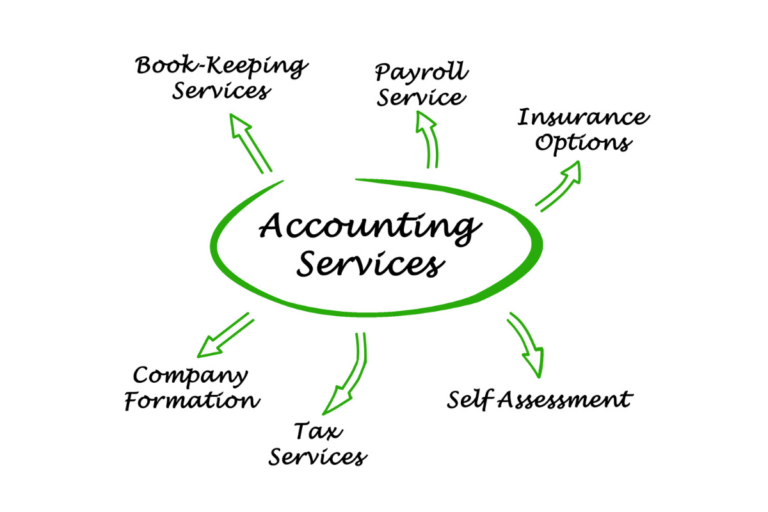
Many small business owners delay financial support because they are unsure of what an accountant actually does beyond basic bookkeeping. In reality, hiring an accountant goes far beyond recording transactions—it involves strategic financial management, compliance, and business guidance. To fully understand the value of this decision, it is important to break down the role, responsibilities, and how it differs from basic bookkeeping:

1. What an Accountant Does for a Small Business

An accountant manages and analyzes a business’s financial activities to ensure accuracy and compliance. They prepare financial statements, track income and expenses, and help business owners understand their financial position. Beyond record keeping, they provide insights that support better decision-making. When you hire an accountant, you gain access to professional financial oversight that supports business stability.

2. Key Financial Roles and Responsibilities of an Accountant

An accountant is responsible for a wide range of financial tasks including budgeting, tax preparation, financial reporting, and compliance management. They ensure that all records are accurate and align with legal requirements. They also help identify financial risks and opportunities within the business. These responsibilities make them essential for maintaining structured and compliant operations.

3. Difference Between Bookkeeping and Hiring an Accountant

Bookkeeping focuses on recording daily financial transactions such as sales, purchases, and payments. Accounting, on the other hand, involves analyzing, interpreting, and using that data for strategic decisions. While a bookkeeper records what happens, an accountant explains what it means for the business. Choosing to hire an accountant gives businesses deeper financial insight and long-term planning support.

Why Hiring an Accountant Is Important for Small Business Success

Running a small business involves more than just generating sales, it requires strong financial control to ensure long-term stability and growth. Many business owners focus on operations and marketing but overlook the importance of structured financial management. This is where the decision to hire an accountant becomes essential, as it helps bring order, accuracy, and strategic direction to business finances:

Accounting Mistakes in Kenya

1. Ensures Accurate Financial Management

An accountant helps maintain accurate records of income, expenses, and overall financial transactions. This reduces errors that often occur when business owners manage finances on their own. Accurate financial data is essential for understanding business performance. Choosing to hire an accountant improves reliability in financial reporting.

2. Supports Better Business Decision-Making

Clear financial records allow business owners to make informed decisions about spending, investment, and growth. Without proper accounting, decisions are often based on guesswork rather than data. An accountant provides insights that help guide strategic planning. This leads to more confident and effective business decisions.

3. Improves Cash Flow Management

Cash flow is one of the most important aspects of business survival and growth. An accountant monitors inflows and outflows to ensure the business remains financially stable. They help identify potential shortages before they become serious problems. Businesses that hire an accountant gain better control over their cash flow.

4. Ensures Timely Tax Compliance

Tax obligations can be complex and time-consuming for small business owners. An accountant ensures that all tax filings are accurate and submitted on time. This reduces the risk of penalties and legal issues. Proper compliance is a key benefit when you hire an accountant.

5. Helps Businesses Grow Sustainably

As businesses grow, financial processes become more complex and harder to manage internally. An accountant introduces structure and systems that support scalable growth. They help businesses prepare for expansion while maintaining financial discipline. This ensures long-term sustainability and stability.

8 Clear Signs Your Small Business Needs to Hire an Accountant

As a small business grows, financial management becomes more complex and harder to handle without professional support. Many business owners only realize the need for expert help after facing cash flow problems, tax issues, or disorganized records. Recognizing early warning signs can help you decide when to hire an accountant and avoid costly financial mistakes:

1. Growing Financial Complexity in Your Business

When your business starts handling multiple revenue streams, expenses, and financial obligations, things can quickly become overwhelming. Simple tracking methods may no longer be enough to maintain accuracy. An accountant helps structure and organize your finances properly. This ensures your growing business remains financially controlled.

2. Difficulty Managing Cash Flow and Expenses

If you often struggle to understand where your money is going or face frequent cash shortages, this is a clear warning sign. Poor cash flow management can disrupt daily operations and slow down growth. An accountant helps monitor income and expenses to improve financial stability. This makes it easier to plan ahead and avoid shortages.

3. Frequent Tax Filing and Compliance Challenges

Missing tax deadlines or struggling to understand tax requirements can lead to penalties and stress. Tax laws can be complex and change frequently, making compliance difficult for business owners. When you hire an accountant, you reduce the risk of errors and late submissions. This ensures your business stays compliant and penalty-free.

4. Lack of Accurate Financial Records or Reports

Without clear financial records, it becomes difficult to measure business performance or make informed decisions. Many small businesses rely on incomplete or inconsistent tracking systems. An accountant ensures your records are accurate, updated, and reliable. This improves financial visibility and control.

5. Business Growth Without Financial Structure

Rapid business growth without proper financial systems can lead to inefficiencies and missed opportunities. Expenses may rise faster than revenue if finances are not properly managed. An accountant introduces structure that supports sustainable growth. This helps your business scale without losing financial control.

6. You Spend Too Much Time on Financial Tasks

If managing invoices, receipts, and reports takes up too much of your time, it may be affecting your core business activities. Business owners should focus on growth, not daily financial administration. Hiring an accountant frees up time and improves efficiency. This allows you to focus on strategic priorities.

7. You Struggle to Understand Profitability

If you are unsure whether your business is actually making a profit, it is a strong sign you need professional support. Revenue alone does not show financial health without proper analysis. An accountant helps break down profits, costs, and margins clearly. This gives you a true picture of your business performance.

8. You Are Planning to Expand Your Business

Expansion requires careful financial planning, budgeting, and risk management. Without expert guidance, growth can become financially unstable. An accountant helps prepare your business for expansion with proper financial systems. This ensures growth is controlled and sustainable.

10 Benefits of Deciding to Hire an Accountant Early

Bringing in professional financial support early in your business journey can make a significant difference in how smoothly your operations run. Many small businesses wait until problems arise, but early action helps prevent costly mistakes and builds a strong financial foundation. Choosing to hire an accountant at the right time provides structure, clarity, and long-term stability:

Hire an Accountant

1. Improved Financial Accuracy and Record Keeping

An accountant ensures that all financial records are properly organized and accurate from the start. This reduces errors that often arise from manual tracking or inconsistent bookkeeping. Accurate records make it easier to understand business performance. This builds a reliable financial foundation for growth.

2. Better Cash Flow and Expense Management

Early financial oversight helps businesses track income and expenses more effectively. An accountant monitors cash flow patterns and identifies areas where money is being lost or mismanaged. This improves liquidity and financial control. It also helps businesses avoid unnecessary financial stress.

3. Timely and Accurate Tax Compliance

Tax obligations become easier to manage when they are handled from the beginning. An accountant ensures all filings are accurate and submitted on time. This reduces the risk of penalties and compliance issues. Proper tax management keeps the business in good standing.

4. Smarter Business Decision-Making

With accurate financial data, business owners can make informed and strategic decisions. An accountant provides insights that guide pricing, budgeting, and investment choices. This reduces guesswork and improves planning. Better decisions lead to stronger business outcomes.

5. Reduced Financial Risks and Penalties

Early accounting support helps identify and prevent financial risks before they escalate. This includes avoiding tax errors, cash flow problems, and compliance issues. An accountant ensures your business operates within legal and financial guidelines. This reduces costly mistakes and penalties.

6. Stronger Budget Planning

An accountant helps create realistic budgets that align with your business goals. This ensures resources are allocated effectively and spending is controlled. Proper budgeting improves financial discipline. It also supports long-term stability.

7. Improved Profit Tracking

With professional oversight, businesses can clearly understand where profits are coming from. An accountant analyzes revenue and cost structures to highlight performance trends. This helps improve profitability strategies. It ensures better financial awareness.

8. Easier Access to Funding

Banks and investors prefer businesses with clear and organized financial records. An accountant helps prepare the necessary reports and documentation. This improves your chances of securing loans or investment. It strengthens financial credibility.

9. Reduced Stress for Business Owners

Managing finances alone can be overwhelming and time-consuming. Hiring an accountant reduces this burden and allows business owners to focus on operations. This improves productivity and peace of mind. It creates a more balanced workflow.

10. Strong Foundation for Business Growth

Early financial management creates systems that support future expansion. An accountant ensures your business is structured for scalability. This prevents financial chaos as the business grows. It supports long-term success and stability.

12 Common Mistakes Small Businesses Make Before They Hire an Accountant

Many small businesses delay professional financial support until problems start affecting operations, profitability, or compliance. These early mistakes often create avoidable financial stress and make it harder to recover later. Understanding these pitfalls helps business owners know when to hire an accountant and how to avoid costly financial mismanagement:

accounting mistakes in Kenya

1. Waiting Until Financial Problems Become Serious

One of the biggest mistakes is delaying professional help until cash flow issues or tax penalties arise. By this stage, fixing financial problems becomes more difficult and expensive. Early intervention would have prevented many of these issues. Businesses should act before problems escalate.

2. Relying on Manual or Inconsistent Bookkeeping

Many small businesses still use spreadsheets or handwritten records that are prone to errors. This leads to missing data, duplication, and inaccurate reporting. Without structured systems, financial clarity is lost. An accountant helps introduce reliable and organized processes.

3. Mixing Personal and Business Finances

Combining personal and business transactions creates confusion and distorts financial records. It becomes difficult to track true business performance or prepare accurate reports. This also complicates tax filing and compliance. Proper separation is essential for financial control.

4. Ignoring Tax Compliance Requirements

Some businesses fail to prioritize tax obligations until deadlines are missed. This results in penalties, interest charges, and legal risks. Tax compliance requires ongoing attention and accuracy. An accountant ensures all obligations are met on time.

5. Underestimating the Value of Professional Accounting Support

Many business owners believe they can manage finances without expert help. This often leads to inefficiencies, errors, and missed opportunities. Professional accounting provides structure and strategic insight. It plays a key role in business growth and stability.

6. Lack of Regular Financial Reviews

Without consistent financial reviews, business owners lose track of performance trends. This makes it harder to identify problems early or adjust strategies. Regular reporting is essential for informed decision-making. An accountant ensures this process is consistent.

7. Poor Expense Tracking

Failing to properly track expenses leads to unclear financial data and reduced profitability. Many small costs go unnoticed and accumulate over time. This affects budgeting and cash flow management. Accurate tracking is essential for financial control.

8. No Clear Budgeting System

Businesses without budgets often overspend or allocate resources inefficiently. This creates instability and unpredictable financial outcomes. A structured budget helps guide spending decisions. An accountant helps establish and monitor budgets effectively.

9. Delayed Financial Reporting

Late or incomplete reports make it difficult to understand the business’s financial position. This affects decision-making and planning. Timely reporting is critical for maintaining control. Professional accounting ensures reports are always up to date.

10. Overdependence on Guesswork for Decisions

Some business owners rely on assumptions instead of financial data when making decisions. This increases the risk of losses and poor investments. Data-driven decisions are more accurate and reliable. An accountant provides the insights needed for clarity.

11. Ignoring Growth Planning

Many businesses focus only on daily operations and ignore long-term financial planning. This limits scalability and leads to unprepared expansion. Growth requires structured financial strategy. Accounting support ensures proper planning.

12. Failure to Use Financial Systems or Tools

Relying on outdated or no accounting systems leads to inefficiency and errors. Modern tools improve accuracy and reporting speed. Without them, financial management becomes harder as the business grows. An accountant helps implement effective systems.

How an Accountant Helps Small Businesses Grow and Stay Compliant

Small businesses often struggle to balance growth with financial compliance, especially when managing limited resources and increasing operational demands. This is where professional accounting support becomes essential, as it provides structure, clarity, and strategic direction. When you decide to hire an accountant, you gain a partner who helps strengthen both financial performance and compliance:

Hire an Accountant

1. We Organize and Manage Your Financial Records

We ensure your financial records are properly structured, accurate, and up to date. This includes tracking income, expenses, and supporting documentation in an organized system. Clear records make it easier to understand your business performance. This also improves efficiency in financial management.

2. We Handle Tax Planning and Compliance

We manage all tax-related obligations, including planning, preparation, and timely filing. This reduces the risk of penalties and ensures full compliance with regulations. Proper tax management also helps optimize your tax position. This keeps your business financially safe and compliant.

3. We Provide Clear Financial Reporting and Insights

We prepare detailed financial reports that give you a clear view of your business performance. These reports highlight trends, risks, and opportunities. This helps you make informed and confident decisions. Better insights lead to stronger business outcomes.

4. We Support Business Planning and Growth Strategy

We assist in developing financial strategies that align with your business goals. This includes budgeting, forecasting, and long-term planning. Our support ensures your growth is structured and sustainable. This helps your business scale effectively.

5. We Help You Avoid Costly Financial Mistakes

We identify potential financial risks early and help you avoid errors that could lead to losses or penalties. This includes monitoring compliance, cash flow, and reporting accuracy. Preventing mistakes improves financial stability. It also protects your business from unnecessary risks.

6. We Improve Cash Flow Management

We monitor your cash inflows and outflows to ensure your business maintains healthy liquidity. This helps prevent shortages and supports smooth operations. Better cash flow management strengthens financial stability. It also supports day-to-day business continuity.

7. We Support Budget Creation and Control

We help you create realistic budgets and ensure spending stays within plan. This improves financial discipline and resource allocation. A strong budget keeps your business focused on priorities. It also reduces unnecessary expenses.

8. We Strengthen Compliance with Regulations

We ensure your business adheres to all relevant financial and tax regulations. This reduces the risk of audits, penalties, and legal issues. Staying compliant builds trust with authorities and stakeholders. It also improves business credibility.

9. We Assist in Financial Decision-Making

We provide insights that help you make better financial and operational decisions. This includes evaluating investments, costs, and pricing strategies. Data-driven decisions reduce risk and improve results. This supports smarter business management.

10. We Support Long-Term Business Growth

We help you build financial systems that support scalability and expansion. This ensures your business can grow without losing control of finances. Proper planning creates stability for future success. It strengthens your long-term financial foundation.


Frequently Asked Questions About Hire an Accountant

Many small business owners have similar concerns when deciding whether or not to hire an accountant, especially around cost, timing, and the actual value they bring. These questions usually come up when financial tasks start becoming overwhelming or when compliance and growth challenges increase. Understanding these FAQs helps clarify what accountants do and how they support better financial management. The following answers address the most common questions businesses ask before making this important decision:

1. When should a small business hire an accountant?

A small business should hire an accountant as soon as financial transactions become consistent or complex. This usually happens when you start generating regular income, handling expenses, or dealing with taxes. Early support helps prevent costly mistakes and improves financial control. It also ensures your business stays compliant from the beginning.

2. How much does it cost to hire an accountant?

The cost to hire an accountant depends on the size of your business, the complexity of your finances, and the level of support required. Some accountants charge monthly fees, while others charge per service or project. Small businesses can often access affordable packages tailored to their needs. Investing in accounting support often saves more money in the long run.

3. Can I run a small business without hiring an accountant?

Yes, you can run a small business without an accountant, especially in the early stages. However, as your business grows, financial management becomes more complex and harder to handle alone. Without proper accounting, you risk errors, penalties, and poor decision-making. Hiring an accountant improves accuracy and financial stability.

4. What does an accountant do for a small business?

An accountant manages financial records, prepares reports, and ensures tax compliance. They also help with budgeting, cash flow management, and financial analysis. Their role goes beyond bookkeeping to include strategic financial guidance. This helps businesses make informed and confident decisions.

5. Is it better to hire an accountant or use accounting software?

Accounting software is useful for basic record keeping, but it cannot replace professional expertise. An accountant interprets financial data and provides strategic advice that software cannot offer. The best approach often combines both tools and professional support. This ensures accuracy and better financial decision-making.

6. Do small businesses in Kenya need to hire an accountant for taxes?

Yes, small businesses in Kenya benefit greatly from hiring an accountant for tax compliance. Tax laws and requirements can be complex and change frequently. An accountant ensures accurate filing and timely submissions. This helps avoid penalties and compliance issues.

7. How do I know if my business is ready to hire an accountant?

Your business is ready to hire an accountant if you struggle with financial tracking, tax filing, or cash flow management. Rapid growth or lack of financial clarity are also strong indicators. If financial tasks are taking too much of your time, it is time to get help. Professional support improves efficiency and control.

8. Can an accountant help my business grow?

Yes, an accountant plays a key role in business growth by providing financial insights and strategic planning. They help you manage costs, improve profitability, and plan for expansion. Their guidance ensures growth is structured and sustainable. This leads to stronger long-term performance.

9. What documents do I need when I hire an accountant?

You typically need financial records such as income statements, expense records, bank statements, and tax documents. Business registration details may also be required. Organized documents help the accountant understand your financial position quickly. This improves efficiency and accuracy.

10. How often should I work with an accountant?

The frequency depends on your business needs, but many small businesses work with accountants monthly or quarterly. Regular engagement ensures up-to-date financial reporting and compliance. Some businesses may require ongoing support depending on complexity. Consistency improves financial control.

11. Can an accountant help with business loans and funding?

Yes, accountants help prepare financial statements and reports required by banks and investors. They ensure your records are accurate and professional. This improves your chances of securing funding. Strong financial documentation builds credibility with lenders.

12. What is the difference between an accountant and a bookkeeper?

A bookkeeper records daily financial transactions, while an accountant analyzes and interprets financial data. Accountants provide insights, reports, and strategic advice for business decisions. Bookkeeping is more operational, while accounting is more strategic. Both roles are important for financial management.

Hire an Accountant

Hire an Accountant in Kenya from Accounting Agency for Your Small Business Today

Managing your business finances alone can slow down growth and increase the risk of costly mistakes. We help small businesses stay organized, compliant, and financially confident through reliable and professional accounting support. Our team works closely with you to handle records, taxes, reporting, and overall financial management with accuracy and care. Get in touch today and let Accounting Agency help you hire an accountant who will support your business growth and stability.

Similar Posts