KRA Compliance in Kenya: Common Mistakes Businesses Make and How to Avoid Them

Why KRA Compliance in Kenya Is Essential for Every Business
Maintaining tax compliance is a fundamental responsibility for every business operating in Kenya, regardless of size or industry. Failure to meet tax obligations can lead to penalties, legal issues, and disrupted operations. Understanding the importance of KRA compliance in Kenya helps businesses operate smoothly, build credibility, and avoid unnecessary financial risks:
1. Prevents Penalties and Financial Fines
KRA imposes strict penalties on businesses that fail to file returns or meet tax obligations on time. These fines can accumulate quickly and affect business cash flow. Staying compliant helps avoid unnecessary financial losses. It ensures smooth financial operations.
2. Ensures Legal Business Operation
Compliance with KRA requirements is mandatory for all registered businesses in Kenya. Failure to comply can result in suspension or closure of business operations. Staying compliant ensures your business operates within the law. It also protects your business license.
3. Builds Business Credibility and Trust
Compliant businesses are viewed as reliable and trustworthy by clients, suppliers, and investors. Proper tax records demonstrate transparency and accountability. This improves business reputation in the market. It also supports long-term partnerships.
4. Improves Access to Loans and Financing
Financial institutions require proof of tax compliance before approving loans or credit facilities. Businesses with proper records are more likely to secure funding. Compliance increases financial credibility. It opens up growth opportunities.
5. Reduces Risk of Tax Audits
Businesses that consistently comply with tax regulations are less likely to be flagged for audits. Proper documentation reduces suspicion from tax authorities. This minimizes disruptions caused by investigations. It also saves time and resources.
6. Supports Better Financial Management
Compliance requires accurate record keeping and regular financial reporting. This helps businesses track income and expenses more effectively. It improves budgeting and planning. Strong financial systems support business stability.
7. Enhances Business Transparency
Tax compliance ensures that all financial activities are properly recorded and reported. This improves transparency within the organization. It reduces the risk of fraud and mismanagement. Transparency strengthens internal controls.
8. Enables Business Growth and Expansion
Compliant businesses are better positioned to expand and attract investors. Proper tax records support strategic decision-making. This helps businesses scale confidently. It ensures long-term sustainability.
10 Common KRA Compliance in Kenya Mistakes Businesses Make
Many businesses in Kenya struggle with tax compliance due to poor financial systems, lack of awareness, or delayed reporting. These mistakes often lead to penalties, audits, and unnecessary financial stress. Understanding these common errors in KRA compliance in Kenya helps businesses take corrective action and maintain proper tax discipline:

1. Late Filing of Tax Returns
Failing to submit tax returns on time is one of the most common compliance mistakes. Late filing attracts penalties and interest charges from KRA. It also increases the risk of audits. Timely filing is essential for compliance.
2. Inaccurate Financial Records
Incorrect or incomplete financial records lead to wrong tax calculations. This can result in underpayment or overpayment of taxes. It also creates issues during audits. Accurate records are critical for compliance.
3. Failure to Register for Relevant Taxes
Some businesses operate without registering for applicable taxes such as VAT, PAYE, or income tax. This leads to non-compliance issues. Proper registration is required by law. It ensures the business operates legally.
4. Mixing Personal and Business Finances
Using the same accounts for personal and business transactions creates confusion in financial reporting. It makes it difficult to determine taxable income. This often leads to reporting errors. Separation of finances is essential.
5. Ignoring VAT, PAYE, and Other Obligations
Many businesses fail to meet specific tax obligations such as VAT or employee PAYE deductions. This results in penalties and legal risks. Each tax has specific requirements that must be followed. Ignoring them affects compliance status.
6. Poor Record Keeping Practices
Lack of organized financial records makes it difficult to track transactions. This leads to incomplete or incorrect tax filings. Proper documentation is essential for compliance. It also supports audits and reporting.
7. Misreporting Income or Expenses
Some businesses incorrectly declare income or exaggerate expenses. This leads to inaccurate tax calculations. It can trigger penalties or investigations. Honest reporting is necessary for compliance.
8. Missing Filing Deadlines
Failing to meet monthly or annual filing deadlines is a frequent issue. It results in automatic penalties from KRA. It also affects business credibility. Staying organized helps avoid this mistake.
9. Lack of Understanding of Tax Requirements
Many business owners are not fully aware of their tax obligations. This leads to unintentional non-compliance. Proper guidance or professional support is often needed. Understanding tax rules is essential.
10. Not Seeking Professional Accounting Support
Trying to manage tax compliance without expertise often leads to errors. Professional accountants help ensure accuracy and timely filing. Lack of support increases compliance risks. Expert guidance improves financial management.
10 Consequences of Poor KRA Compliance in Kenya
Failing to meet tax obligations can have serious financial and operational impacts on any business. Many companies underestimate the risks of non-compliance until penalties or audits occur, leading to avoidable losses. Understanding the consequences of poor KRA compliance in Kenya helps businesses take proactive steps to stay compliant and protect their operations:
1. Penalties and Fines
Non-compliance with tax regulations leads to financial penalties imposed by KRA. These fines can accumulate quickly, especially for repeated offenses or late filings. This increases unnecessary financial pressure on the business. It also affects profitability.
2. Business Audits and Investigations
Poor compliance often triggers tax audits or investigations by KRA. These processes can be time-consuming and disruptive to operations. Businesses may be required to provide extensive documentation. This can strain internal resources.
3. Legal and Operational Risks
Severe non-compliance can lead to legal action or restrictions on business operations. In extreme cases, licenses may be suspended. This affects the continuity of the business. It also exposes owners to legal liability.
4. Loss of Business Credibility
Businesses that fail to comply with tax requirements may lose trust from clients, investors, and partners. Poor compliance signals weak financial management. This can damage reputation in the market. It also reduces business opportunities.
5. Cash Flow Disruptions
Unexpected penalties and tax liabilities can disrupt business cash flow. This affects daily operations and planned investments. Poor compliance creates financial instability. It makes budgeting more difficult.
6. Difficulty Accessing Loans and Financing
Financial institutions require proof of tax compliance before approving loans. Non-compliant businesses may be denied funding opportunities. This limits growth and expansion. It reduces financial flexibility.
7. Increased Risk of Legal Penalties
Repeated non-compliance can lead to heavier legal consequences. This may include court cases or enforcement actions. It increases stress and financial burden on the business. Legal issues can damage long-term operations.
8. Poor Financial Planning and Management
Non-compliance often results from poor financial systems. This affects budgeting, forecasting, and reporting accuracy. It makes it harder to manage business finances effectively. It also leads to ongoing financial confusion.
9. Operational Disruptions
Tax investigations and compliance issues can interrupt normal business activities. Staff may be required to focus on audits instead of operations. This reduces productivity. It slows down business growth.
10. Loss of Growth Opportunities
Non-compliant businesses may miss out on contracts, partnerships, and investment opportunities. Many organizations require tax-compliant partners. This limits business expansion potential. It restricts long-term success.
How to Avoid Mistakes in KRA Compliance in Kenya
Avoiding tax errors is essential for maintaining smooth business operations and protecting your company from penalties and disruptions. Many compliance issues arise from poor record keeping, missed deadlines, or lack of understanding of tax requirements. Taking proactive steps to improve KRA compliance in Kenya helps businesses stay organized, compliant, and financially stable:
1. Maintain Accurate Financial Records
Keeping clear and updated financial records ensures that all transactions are properly documented. This makes it easier to calculate taxes correctly and prepare accurate returns. Organized records also reduce errors during audits. Strong record keeping is the foundation of compliance.
2. File Tax Returns on Time
Submitting tax returns before deadlines helps avoid penalties and interest charges. Timely filing also keeps your business in good standing with KRA. Setting reminders or using accounting systems can help maintain consistency. Regular filing improves financial discipline.
3. Separate Business and Personal Finances
Using separate accounts for business and personal transactions prevents confusion in financial reporting. This ensures accurate income and expense tracking. It also simplifies tax calculations. Separation of finances improves clarity and compliance.
4. Stay Updated on Tax Regulations
Tax laws and requirements may change over time, affecting compliance obligations. Staying informed helps businesses adapt quickly to new rules. This reduces the risk of accidental non-compliance. Awareness is key to avoiding costly mistakes.
5. Work with Professional Accounting Support
Professional accountants help ensure accurate reporting, timely filing, and proper tax management. They also provide guidance on complex compliance requirements. Expert support reduces errors and penalties. It improves overall financial management.
6. Use Accounting Software for Record Keeping
Digital accounting tools help automate record keeping and reduce manual errors. They also improve accuracy and efficiency in financial reporting. Software solutions make compliance easier to manage. This supports better financial control.
7. Conduct Regular Financial Reviews
Periodic reviews help identify errors and inconsistencies early. This ensures financial records remain accurate and up to date. Regular checks improve reporting quality. It also supports better decision-making.
8. Understand Your Tax Obligations
Knowing which taxes apply to your business helps avoid missing key requirements. Different businesses have different obligations such as VAT, PAYE, or income tax. Understanding these obligations ensures full compliance. It reduces the risk of penalties.
9. Plan for Tax Payments in Advance
Setting aside funds for taxes ensures you are always prepared for payments. This prevents cash flow disruptions when taxes are due. Proper planning improves financial stability. It also reduces last-minute stress.
10. Keep Proper Documentation for All Transactions
Every financial transaction should be supported with valid receipts or invoices. This ensures transparency and accuracy in reporting. Proper documentation is essential during audits. It strengthens compliance and accountability.
How Accounting Agency Helps You Stay Compliant with KRA in Kenya
Staying compliant with tax regulations requires consistency, accuracy, and a clear understanding of ever-changing requirements. Many businesses struggle with deadlines, documentation, and reporting, which often leads to avoidable penalties. Our role at Accounting Agency is to simplify and strengthen your KRA compliance in Kenya so your business remains fully aligned with all obligations:

1. We Handle Tax Filing and Reporting
We take care of preparing and submitting all your tax returns accurately and on time. This includes VAT, PAYE, income tax, and other statutory obligations. Our process ensures every submission meets KRA requirements. This reduces the risk of penalties and errors.
2. We Maintain Accurate Financial Records
We organize and maintain your financial records to ensure they are complete and up to date. This makes it easier to track income, expenses, and overall performance. Accurate records also support smooth tax filing. It strengthens financial transparency and control.
3. We Ensure Timely Compliance with KRA Deadlines
We monitor all tax deadlines to ensure your business never misses a filing date. Timely compliance helps avoid unnecessary fines and interest charges. Our system keeps your obligations on track throughout the year. This ensures consistent compliance.
4. We Support Audit Preparation and Response
We prepare your financial records in advance to ensure they are audit-ready at all times. In the event of a KRA audit, we guide you through the process and provide required documentation. This reduces stress and disruption. It also improves audit outcomes.
5. We Provide Ongoing Compliance Advisory
We offer continuous guidance on tax regulations and compliance requirements. This helps your business stay updated with any changes in tax laws. Our advisory support reduces compliance risks. It also improves financial decision-making.
6. We Help Prevent Tax Penalties
We proactively monitor your compliance status to ensure all obligations are met correctly. This minimizes the risk of fines and penalties from KRA. Prevention is always better than correction. It protects your business finances.
7. We Simplify Complex Tax Processes
We break down complex tax requirements into clear, manageable processes for your business. This makes compliance easier to understand and implement. It reduces confusion and errors. Simplicity improves efficiency.
8. We Improve Financial Accuracy and Reporting
We ensure all your financial data is properly recorded and reported. Accurate reporting supports correct tax calculations. This improves compliance and financial integrity. It also strengthens business credibility.
9. We Support Business Growth Through Compliance
We align your financial systems with compliance requirements to support sustainable growth. Proper compliance builds trust with investors and institutions. It also enables smoother expansion. Compliance becomes a growth advantage.
10. We Offer End-to-End Accounting Support
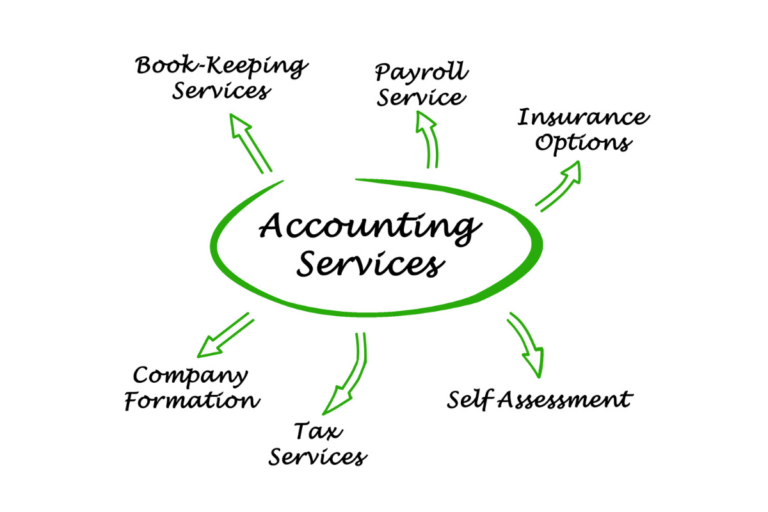
We provide complete accounting solutions that cover bookkeeping, reporting, tax filing, and advisory. This ensures your business is fully supported at every stage. It reduces the burden on your internal team. It also improves overall financial management.
Frequently Asked Questions About KRA Compliance in Kenya
Many business owners struggle to fully understand tax obligations, filing requirements, and penalties associated with non-compliance. These questions are especially common among SMEs that are still building structured financial systems. Understanding KRA compliance in Kenya is essential for avoiding penalties and maintaining smooth business operations. Below are the most frequently asked questions with clear and practical answers:
1. What is KRA compliance in Kenya?
KRA compliance in Kenya refers to meeting all tax obligations set by the Kenya Revenue Authority. This includes registering for taxes, filing returns on time, and paying the correct taxes due. It also involves maintaining accurate financial records for reporting and verification. Compliance ensures that a business operates legally and avoids penalties.
2. Who needs to comply with KRA regulations in Kenya?
All individuals and businesses earning income in Kenya are required to comply with KRA regulations. This includes sole proprietors, partnerships, limited companies, and freelancers. Even small businesses and startups must register and file returns where applicable. Compliance applies as soon as income is generated.
3. What happens if a business fails KRA compliance in Kenya?
Failure to comply with KRA requirements can lead to penalties, fines, and legal action. Businesses may also face audits or restrictions on operations. In severe cases, licenses may be suspended. Non-compliance can also damage business reputation and financial stability.
4. How can I ensure KRA compliance in Kenya for my business?
You can ensure compliance by maintaining accurate financial records and filing tax returns on time. Separating business and personal finances also helps improve accuracy. Staying updated on tax regulations is important. Working with professional accountants can further reduce compliance risks.
5. What taxes are included in KRA compliance in Kenya?
KRA compliance includes several taxes such as income tax, VAT, PAYE, withholding tax, and turnover tax where applicable. The specific taxes depend on the nature and size of the business. Each tax has its own filing requirements and deadlines. Understanding these obligations is key to compliance.
6. How often should tax returns be filed under KRA compliance in Kenya?
Tax return frequency depends on the type of tax and business structure. Some returns are filed monthly, such as VAT and PAYE, while others are annual, like income tax. Businesses must follow specific deadlines set by KRA. Regular filing ensures continuous compliance.
7. Can small businesses manage KRA compliance in Kenya on their own?
Yes, small businesses can manage compliance on their own, especially if transactions are simple. However, it requires discipline, accuracy, and understanding of tax laws. Many SMEs struggle without professional support. Accountants help reduce errors and improve efficiency.
8. Why is KRA compliance in Kenya important for business growth?
KRA compliance builds trust with investors, lenders, and partners. It ensures businesses avoid penalties that could affect cash flow. Compliance also supports better financial management and planning. Ultimately, it creates a stable foundation for sustainable growth.
9. What documents are required for KRA compliance in Kenya?
Businesses need invoices, receipts, bank statements, payroll records, and financial statements. These documents support accurate tax reporting. Proper documentation is essential during audits. It also ensures transparency and accountability.
10. Can KRA conduct audits on any business in Kenya?
Yes, KRA has the authority to audit any registered business at any time. Audits are usually triggered by inconsistencies or non-compliance issues. Proper records reduce audit risks and complications. Being prepared ensures a smoother audit process.
11. What are the penalties for late tax filing in Kenya?
Late filing attracts financial penalties and interest charges. The longer the delay, the higher the penalties become. This can significantly affect business cash flow. Timely filing helps avoid unnecessary costs.
12. Do I need an accountant for KRA compliance in Kenya?
While not mandatory, hiring an accountant is highly recommended. Accountants ensure accurate records, timely filing, and proper tax planning. They also help businesses avoid costly mistakes. Professional support improves compliance and financial management.

Get Expert KRA Compliance in Kenya Support from Accounting Agency Today
Staying compliant with tax regulations does not have to be stressful or time-consuming when you have the right partner handling your finances. At Accounting Agency, we provide reliable, accurate, and fully managed solutions designed to keep your business aligned with all KRA requirements while minimizing risks and penalties. From tax filing and financial record management to audit support and ongoing advisory, we ensure every aspect of your compliance is handled professionally. Get in touch with Accounting Agency today and let us simplify your KRA compliance in Kenya so you can focus on growing your business with confidence.